Eight ways to help your child learn an instrument
Eight practical ways to support a child learning an instrument—from making practice easier to begin and following the teacher’s guidance to noticing effort, building resilience and exploring music together.
By Chip Horne • Updated
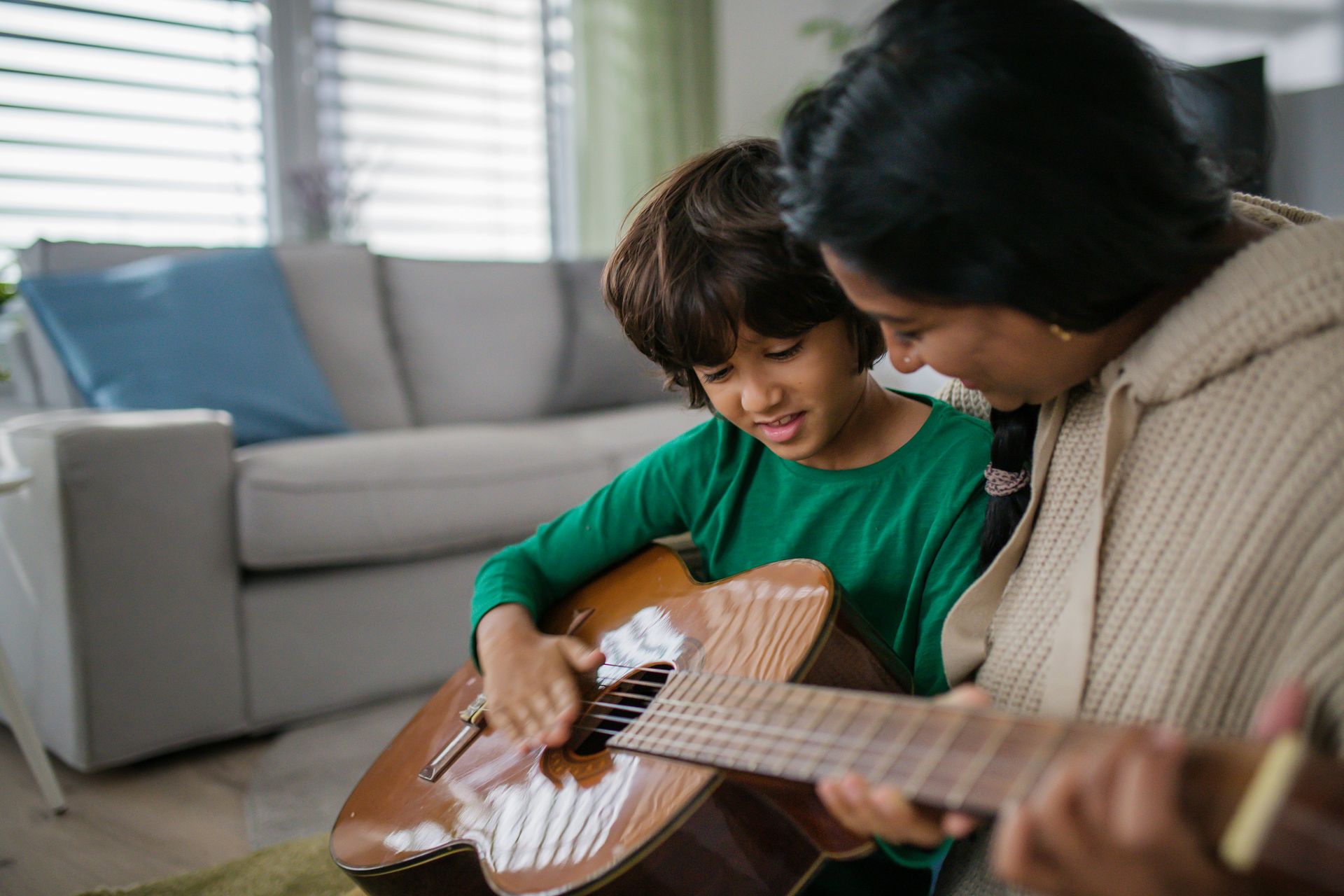
The first lesson is booked. An instrument has appeared in your house, perhaps after months of pleading from your child, perhaps after some gentle parental steering.
So what can you do to help?
You don’t need to be a musician. You don’t need to supervise every note. And you definitely don’t need to start referring to the sitting room as “the practice studio.”
Your role is to make playing easier to begin, help your child follow their teacher’s guidance and create an atmosphere in which imperfect music is encouraged.
1. Make playing easy to start
The hardest part of practice is often the first thirty seconds, particularly if those thirty seconds involve finding the music, unfolding a stand, locating a missing reed or moving three loads of laundry off the piano stool.
Remove as many of those obstacles as you can.
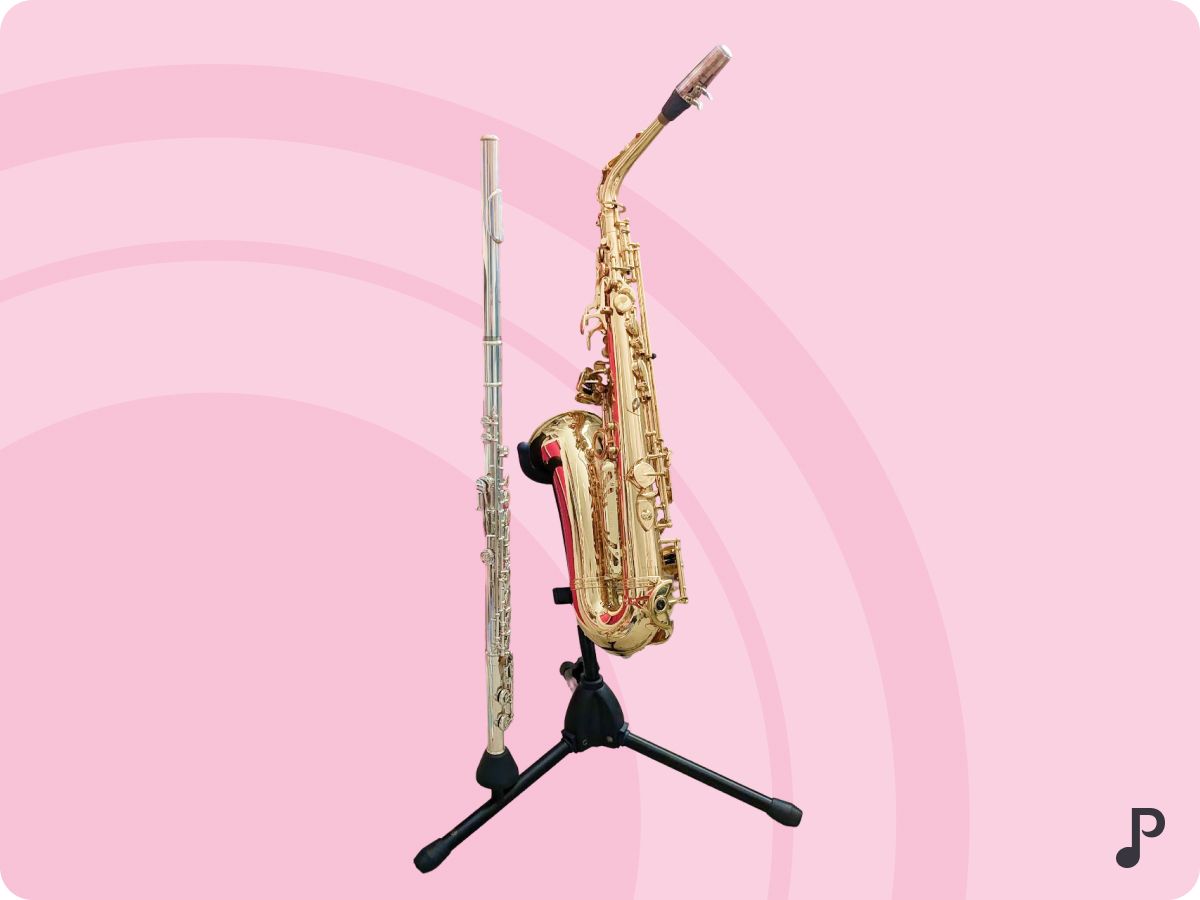
The day we got our daughter Cleo a stand for her flute was the day she started practising every day. Instead of opening the case and putting the flute together before she could play, then taking it apart and packing it away afterwards, she could simply pick it up whenever she felt like playing. That small reduction in effort made a remarkable difference.
Keep the instrument somewhere accessible. Leave the music stand up. Keep music, pencils, reeds, rosin and anything else they need in one place. Find a comfortable spot with enough room to play and enough light to read the music.
This might be controversial to some people, but keeping the instrument assembled and ready to play can help enormously too, as long as it can be left somewhere safe from younger siblings, visiting friends, overenthusiastic pets, or changes in temperature or humidity. If in doubt, talk to your child’s teacher.
And create a space where your child can enjoy playing without feeling that they are disturbing everyone or being silently judged from the next room.
The easier it is to begin, the more likely playing is to become part of ordinary life.
2. Start smaller than you think
Five focused minutes is a perfectly respectable beginning.
Attach playing to something that already happens, such as after breakfast, when they get home or before screen time. That makes it part of the day, rather than a fresh diplomatic negotiation every evening.
A small routine your child can repeat is better than an ambitious one everybody abandons after nine days.
There will be time to build from there. First, help them get used to picking up the instrument and beginning.
3. Make sure there’s a clear plan
Beginners won’t necessarily remember everything said during a lesson. By the time they arrive home, “play these two bars slowly” may have become “do something vaguely piano-related before next Tuesday.”
A useful practice plan should tell them:
- What to play
- What to concentrate on
- How to approach it
- What progress might look or sound like
That is one of the reasons I created Pip.
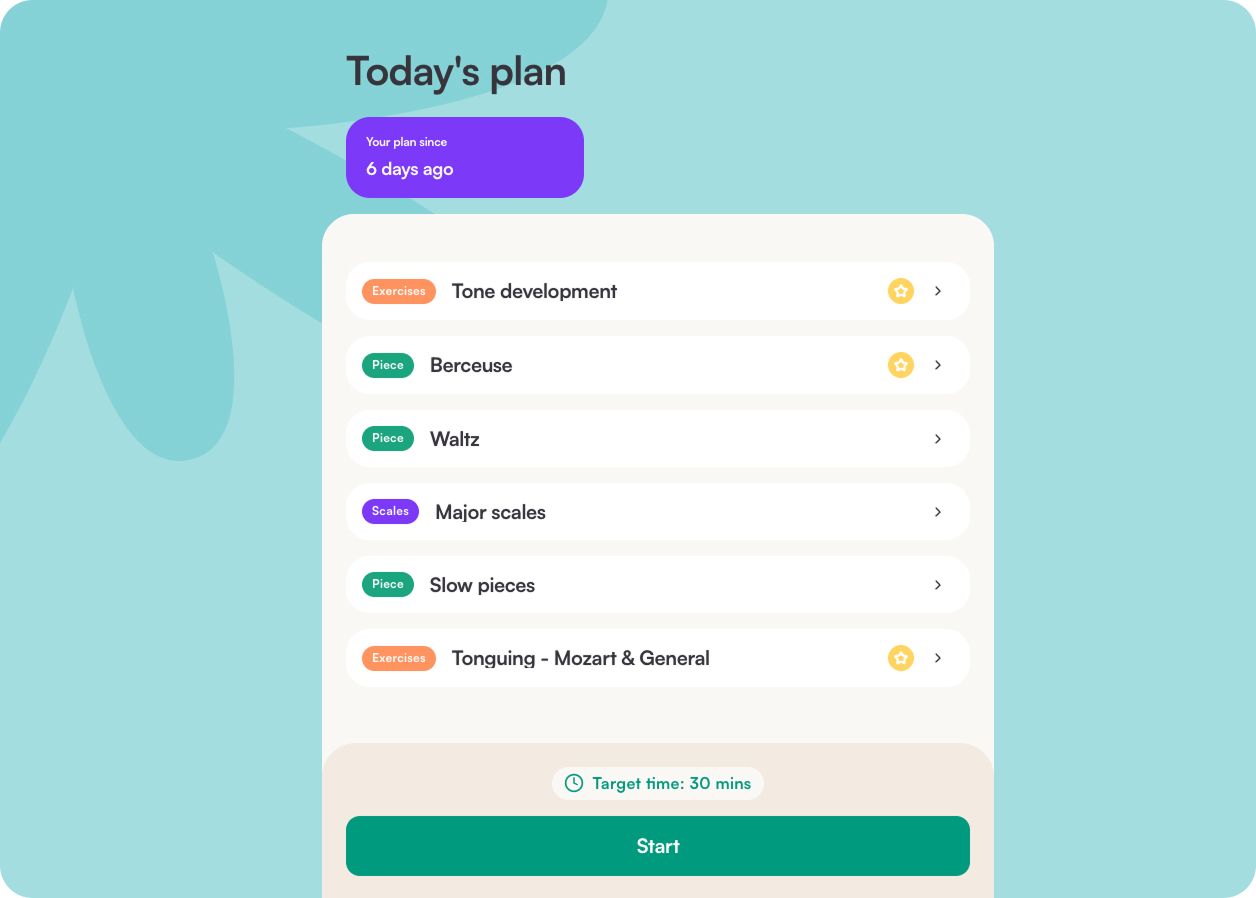
With Pip, the teacher creates a clear practice plan that the student can follow throughout the week. Parents can see what the teacher intended without trying to reconstruct the lesson or inventing a different plan themselves.
If your child’s teacher doesn’t use Pip, or hasn’t heard of it yet, send them to www.playwithpip.com. It’s free for teachers—and once they invite your family, you can choose the free or paid version.
4. Get to know the teacher
Every teacher will have their own approach to practice, progress and parental involvement. Take a little time to understand theirs.
How often do they recommend playing? Roughly how long should practice last? How much help would they like you to give? What should your child do if they cannot remember something? When would the teacher want to know that something isn’t working?
If your child learns at school, you’ll probably be invited to parent–teacher meetings for every academic subject—but there may be no equivalent opportunity to meet their music teacher. You might need to be proactive and ask for a short conversation. It’s worth it.
You don’t need a lengthy debrief after every lesson. The aim is simply to understand what the teacher is trying to achieve and how you can support it at home.
Think of it as getting everyone on the same page, not signing the teacher up to provide rolling customer support all week.
5. Aim to play on more days than you don’t
Daily practice might not be realistic. School life is busy. There are clubs, homework, family plans, traffic jams and missing PE kits to contend with.
But frequency matters. Playing on several days each week keeps the instrument feeling familiar. Leave it too long and every practice session can feel like an awkward reunion.
One missed day is not failure. A good goal is simply to play on more days than you don’t.
In Pip, we call that a Squeak. It encourages a consistent rhythm without demanding a perfect streak, because family life rarely behaves perfectly either.
Play four days a week to earn a Squeak.
#squeaksnotstreaks ✌️
6. Let the teacher be the teacher
Parents can help a child begin. You might get the instrument ready, look at the plan together, offer a calm reminder or help them choose one small place to start.
But you don’t need to correct every note or provide a running commentary from the kitchen. You don’t want to make practice feel like a second lesson, or an exam nobody signed up for.
Be careful not to make your child’s learning carry the weight of your own musical history. Perhaps you are or were a high-achieving musician with strong ideas about how things should be done. Perhaps your own lessons left you feeling inadequate, anxious or convinced that you had failed. Either way, this is your child’s musical journey—not a continuation or correction of yours.
The roles are different:
- Teacher: provides the musical direction.
- Student: does the playing and gradually learns how to practise.
- Parent: makes it easier to begin and is there when help is genuinely needed.
Help the teacher’s guidance survive the journey home. Don’t replace it with your own.
7. Notice how they’re learning
Don’t judge practice only by whether the piece sounds better. Look out for the less obvious signs of learning. Notice when your child:
- Spots their own mistakes
- Begins without being prompted
- Slows something down to work on it carefully
- Returns to a difficult passage and repeats it
- Makes time for scales, tone and technical exercises—not just the glory of playing pieces
- Tries a different approach
- Concentrates for longer
- Keeps going after becoming frustrated
Those are signs that they’re learning how to learn, not merely polishing a performance for next week. They also help build a growth mindset: the understanding that ability develops through effort, good strategies and persistence—not simply through talent.
Instead of: “That sounded great.”
Try saying: “I noticed you slowed that down instead of giving up.”
This is sometimes called process praise: recognising how a child approached the challenge, rather than judging only the result. It helps them see concentration, problem-solving and perseverance as things worth developing.
Practice is supposed to sound imperfect. That is where the learning happens—and where children gradually build the grit and resilience to keep going when progress is difficult.
8. Listen together
Learning an instrument shouldn’t be only about preparing for the next lesson.
Find a recording of the piece your child is learning—especially if, so far, they’ve only heard it emerging from their own instrument one hesitant phrase at a time. Explore different kinds of music together, and give them some say, even when their latest choice mysteriously fails to delight you.
Go to concerts when you can, whether that means a major orchestra, a local band or older students performing at school. Seeing people make music connects scales, exercises and tricky passages to what playing can eventually become.
An instrument shouldn’t feel like another piece of homework that happens to make a noise. Help your child discover the much larger musical world it might open up.