A revolutionary new technology is threatening to damage our children’s minds. By outsourcing the work of thinking to an external system, it will make them forgetful, lazy, and equipped with only the appearance of wisdom rather than the real thing.
This sounds like a modern warning about AI. It’s actually a warning about the invention of writing, told through an ancient Egyptian story by Socrates in Plato’s Phaedrus around 2,400 years ago.
We survived the transition to literacy, just as we adapted to calculators, search engines and sat navs. In each case, something changed and some old skills became less essential. AI may well be different, but it poses the same question: what knowledge and skills will still matter by the time today’s seven-year-olds are adults?
I don’t pretend to have a blueprint for the future of education, but one thing I’m sure of is that learning music will matter more, not less.
That isn’t because AI will struggle to compose, arrange or perform music. It can already do remarkable things, and it will become much better. It’s because the value of learning music was never simply about the music it produces. It’s also about the people it produces.
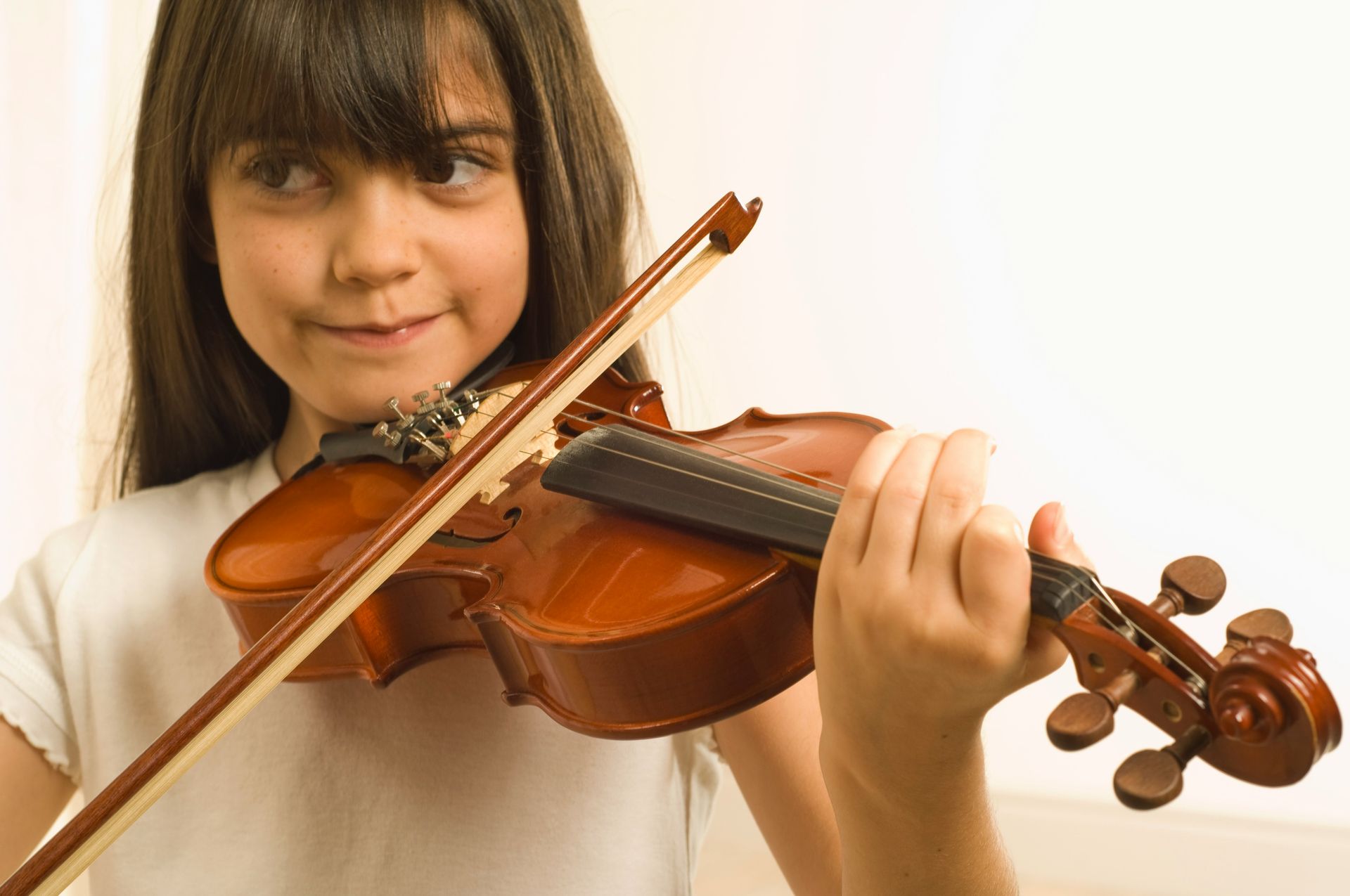
Learning an instrument asks a child to concentrate for longer than feels comfortable, to tolerate frustration, to notice tiny improvements that nobody else would see, and to continue when progress has been invisible for days or weeks. It teaches them that worthwhile things usually take time, and that there is a particular kind of satisfaction in mastering something that once seemed impossible.
That experience becomes more valuable in a world of instant answers and output. AI may be able to generate a whole song in seconds. It can’t spend six months gradually changing the child sitting at the piano. Nobody else can do the listening, struggling, adjusting and practising for them.
But it’s not just about learning worthy life lessons or feeding children a diet of pure grit. It’s also about satisfaction and joy. Being able to sit at the piano and accompany my daughters’ music-making is worth all the years of learning. AI can generate music for us to hear, but it can’t give us the experience of being the people playing it.
I've spent much of my career building technology: building Pip to support children's music practice has made me think a lot about what technology should do, and, perhaps more importantly, what it shouldn't.
Pip can provide structure between lessons, reduce the friction involved in getting started and help practising feel a little less lonely and more enjoyable. It can support the work of teachers and give children another reason to play their instrument today.
But Pip can’t do the practice for them, and it’s not trying to replace the teacher. The actual work of getting your fingers, breath and brain to do what the music requires isn’t a flaw in the experience. It’s the reason the experience shapes you.
So as AI continues to transform many aspects of our daily life, I keep returning to a simple conclusion:
The more intelligence becomes a commodity, the more humanity matters.
Children will still need knowledge. But they will also need patience, creativity, resilience, judgement and the confidence to keep working when nobody can provide a perfect answer. Learning music develops those qualities in a way that is physical, emotional and unmistakably human.
And if ten minutes practising after school helps a child become a more thoughtful, capable and creative human being, while opening up a lifetime of pleasure in making music, I can’t think of a better way for them to spend that time.